
What Should You Really Shred to Protect Your Personal Information?
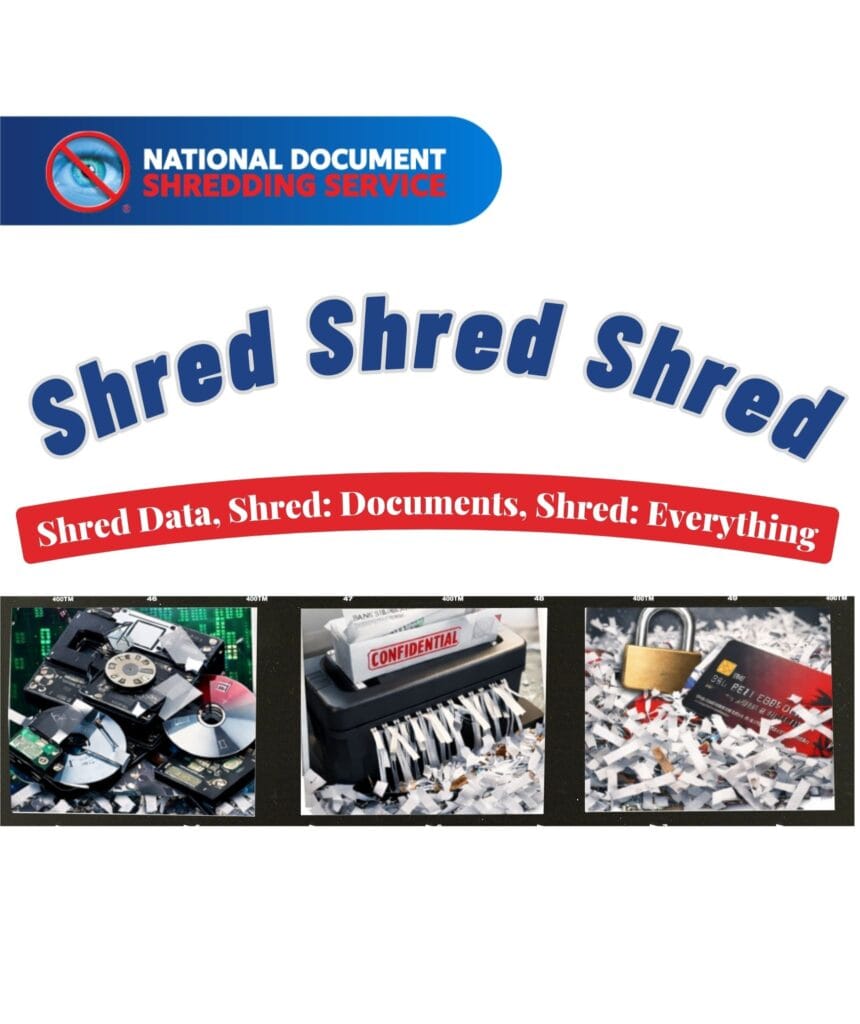
If a document, file, or device contains personal information, the safest rule is simple: shred shred shred it.
Identity theft, fraud, and data breaches often don’t start with hacking — they start with something thrown in the bin. Old paperwork, forgotten USBs, and unused hard drives can all expose sensitive information if they aren’t destroyed properly.
So what should you really shred? Let’s break it down clearly.
What Does “Shred Shred Shred” Actually Mean?
Shred” means destroying everything that contains personal, financial, or confidential information — not just obvious documents.
This includes:
Paper documents
Digital storage devices
Business and client records
Anything that could identify you, your family, or your customers
If the information could be used to identify someone, access an account, or commit fraud, it should be shredded.
Shred Documents That Contain Personal Information
Paper documents are still one of the biggest risks for identity theft.
You should shred documents like:
Bank statements and credit card statements
Utility bills and invoices
Payslips and tax records
Medical and insurance documents
Legal paperwork
Old IDs, cards, or forms with signatures
Business documents with client or employee details
Even documents that seem harmless often include names, addresses, account numbers, or signatures — all valuable to criminals.
Learn more about our secure document shredding services for homes and businesses.
Personal information doesn’t live only on paper.
Old digital devices often contain far more data than people realise, even after files are deleted.
You should shred data from:
Hard drives (computers, laptops, servers)
USB sticks and external drives
CDs, DVDs, and backup discs
Old phones and tablets
Work devices no longer in use
Deleting files or formatting a device is not enough. Data can often be recovered unless the device is physically destroyed.
Professional data shredding ensures your information is completely unrecoverable.
Shred Everything That Contains Sensitive Business Information
or businesses, shredding isn’t optional — it’s a responsibility.
Client records
Employee files
Financial reports
Contracts and agreements
Archived documents no longer required
Any paperwork covered by privacy regulations
Failing to shred sensitive business information can lead to:
Data breaches
Legal penalties
Loss of trust
Reputation damage
Regular shredding helps businesses stay compliant and secure.
When in Doubt, Shred Everything Sensitive
A good rule to follow is this:
If you wouldn’t want a stranger reading it, shred it.
Keeping old documents “just in case” increases risk over time. Making shredding a regular habit — monthly or quarterly — is one of the simplest ways to protect yourself.
Tips to make shredding easy:
Collect sensitive documents in one place
Separate general waste from confidential material
Use professional shredding for large volumes or high-risk data
Schedule regular shredding instead of one-off cleanouts
Explore our Nationalshred to find a solution that fits your needs.
Home shredders are useful for small amounts of paper, but they have limits.
Professional shredding services offer:
Complete destruction of paper and digital media
Secure handling and transport
Compliance with privacy requirements
Environmentally responsible recycling
With National Shred, your information is destroyed securely and responsibly — giving you peace of mind.
Frequently Asked Questions About Shredding
What should I shred at home vs professionally?
Small amounts of low-risk paper can be shredded at home. Large volumes, business documents, and digital devices should always be professionally shredded.
How often should I shred personal documents?
Most households benefit from monthly shredding. Businesses may need weekly or scheduled services depending on volume.
Can digital data really be destroyed permanently?
Yes — physical data shredding ensures information cannot be recovered.
What Should You Really Shred?
To protect your personal information, you should shred:
Documents with personal or financial details
Digital devices that store data
Business records containing confidential information
Anything that could be used to identify, access, or exploit you
In short: shred shred shred — documents, data, everything sensitive.
Don’t leave your personal or business information at risk.
Shred documents. Shred data. Shred everything that matters.
👉 Order your secure shredding service today with National Shred and protect what matters most.